102, Bhagyatara Society, Erandwane, Pune, India
+91 9011333841, +91 7720948948

Senior Consultant Neurosurgeon
The Union of Science & Artistry
Excellence and precision, where the surgery demands it. Empathy and compassion, where the patient needs it. This is what twenty-seven years of neurosurgical practice looks like.
Brain Endoscopy
Spine Endoscopy
MVD Specialist
About Doctor
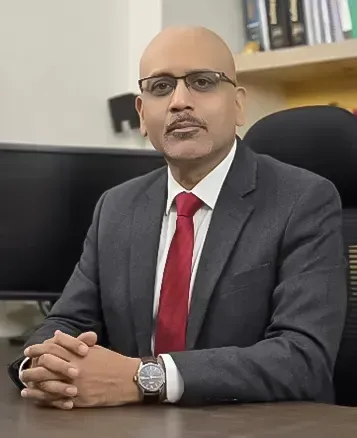
Dr. Jaydev Panchawagh
Dr. Jaydev Panchawagh, MCh (Neurosurgery), is a senior neurosurgeon in Pune, Maharashtra, with over 27 years of specialised practice in brain tumour surgery, MVD surgery for trigeminal neuralgia and hemifacial spasm, and complex spine surgery. With more than 10,000 neurosurgeries performed — including 3,500 brain tumour resections and over 3,000 microvascular decompressions — he brings a depth of surgical experience to every case that is rare in any setting. Patients consult him from Mumbai, across India, and internationally.
What defines this practice is not the numbers alone. It is the understanding that neurosurgery is practised on people — not on conditions. A sitar player, a writer, a diver, a teacher — the same precision and patience these disciplines demand is what Dr. Panchawagh brings to the operating room, and the same empathy to every consultation before it.
MCh (Neurosurgery) · Senior Consultant Neurosurgeon, Pune
10,000+ Neurosurgeries · Brain · Spine · MVD
The Foundation
Where the Surgeon Was Formed
Dr. Jaydev Panchawagh completed his MS in General Surgery before earning his MCh in Neurosurgery from Seth GS Medical College and KEM Hospital, Mumbai, for advanced neurosurgical training. He trained under some of the most eminent neurosurgeons of his generation: Prof. Sunil Pandya, Prof. Atul Goel, Prof. Anil Karapurkar, and Prof. Ranjeet Nagpal. The rigour of those years set a standard that has defined every decade of practice since.
Thesis on surgical approaches in cervical spondylosis — a 100-case clinical study that shaped his understanding of spine surgery from its earliest foundations.
Cadaveric research on A1 segment perforators — work undertaken to advance the precision and safety of aneurysm clipping procedures.
Validation thesis for India's first indigenous stereotaxy system — an 80-case study that placed him at the frontier of neurosurgical technology at the very start of his career.
Dr. Panchawagh has presented his MVD surgery series — drawn from over 3,000 microvascular decompression procedures performed since 2004 — at national and international neurosurgical conferences. A personal series of this size, followed over many years, allows outcomes to be studied over the long term and adds to the wider understanding of MVD surgery for trigeminal neuralgia, hemifacial spasm and glossopharyngeal neuralgia.
A Surgeon Formed Globally
Advanced Training & Experience
After completing his MCh in Neurosurgery at KEM Mumbai, Dr. Jaydev Panchawagh pursued advanced training across India and internationally — pursuing hands-on surgical training in Germany, the USA and at leading Indian neurosurgical institutions, and India's premier neurosurgical institutions. He sought out the world's leading specialists in endoscopic surgery, neuronavigation, vascular neurosurgery, and minimally invasive technique. It was a formation built on precision: not just learning procedures, but understanding the philosophy behind them.
Training:
Endoscopic and Vascular Neurosurgery : NIMHANS, Bangalore — under Prof. K.V.R. Shastri, one of India's foremost authorities in vascular brain surgery.
Endoscopic Third Ventriculostomy (ETV) : Prof. Gaab, Germany — Dr. Panchawagh has performed this minimally invasive brain surgery technique in Pune since 2000.
Neuronavigation and Intraoperative MRI : Prof. Raabe and Prof. Seifert, Frankfurt — training that directly shaped his approach to precision in complex brain tumour surgery.
Advanced Endoscopic Spine Surgery : Prof. Anthony Young, USA — a global leader in minimally invasive spinal care.
Degenerative Spine Surgery : Prof. Michael Mayer, Munich — deepening his understanding of spinal pathology and surgical philosophy.
Epilepsy Surgery : Sree Chitra Institute of Medical Sciences, Trivandrum — with emphasis on seizure-control techniques.
Before establishing independent practice, Dr. Panchawagh served as Senior Registrar and Junior Consultant Neurosurgeon at the Pune Institute of Neurology and Neurosurgery. More than 10,000 neurosurgeries in 27 years of independent practice.
FAQ
Where did Dr. Jaydev Panchawagh receive his neurosurgical training?
Dr. Panchawagh completed his MCh in Neurosurgery at KEM Hospital, Mumbai, followed by advanced training at NIMHANS Bangalore, and internationally in Germany, USA, and Munich under world-leading neurosurgeons.
When did Dr. Panchawagh begin practising as a neurosurgeon in Pune?
Dr. Jaydev Panchawagh has been a Consultant Neurosurgeon in Pune since 1999, with over 27 years of independent neurosurgical practice and more than 10,000 surgeries performed.
When did Dr Panchawagh begin performing endoscopic brain surgery in Pune?
Dr Panchawagh has performed Endoscopic Third Ventriculostomy (ETV) in Pune since 2000, following specialised training with Prof. Gaab in Germany.
What conditions does Dr. Panchawagh treat with MVD surgery?
Dr. Panchawagh performs microvascular decompression (MVD) surgery for trigeminal neuralgia, hemifacial spasm, and glossopharyngeal neuralgia — cranial nerve compression disorders. He has performed over 3,000 MVD procedures since 2004.
What is the difference between MVD, RFA, and Gamma Knife for trigeminal neuralgia?
Microvascular decompression (MVD) is a surgical procedure that relieves pressure on the trigeminal nerve and addresses the underlying cause. Radiofrequency ablation (RFA) and Gamma Knife radiosurgery are less invasive procedures that target the nerve to reduce pain signals. The most suitable option depends on the patient's age, cause of pain, general health, and prior treatments, and is decided after individual assessment.
Does Dr. Panchawagh treat patients from outside Pune and internationally?
Yes. Patients travel to Dr. Panchawagh from Mumbai, across India, and from more than 15 countries, particularly for MVD surgery. Online consultations are available for patients unable to travel for an initial assessment.
How can an overseas patient consult Dr. Panchawagh?
Overseas patients can begin with an online consultation by sharing their medical history and recent imaging. After review, Dr. Panchawagh's team advises on whether surgery is indicated and helps plan the visit to Pune. Initial contact can be made by phone or WhatsApp at +91 9011333841.
The Credentials
Qualifications & Recognition
Dr Jaydev Panchawagh is a consultant neurosurgeon in Pune with 27 years of independent neurosurgical practice. He holds an MBBS, MS in General Surgery and MCh in Neurosurgery. His clinical practice includes brain and spine surgery, with focused experience in Microvascular Decompression (MVD) for Trigeminal Neuralgia, Hemifacial Spasm and Glossopharyngeal Neuralgia.
Medical Qualifications
MBBS
B.J. Medical College, Pune
MS (General Surgery)
KEM Hospital, Pune
MCh (Neurosurgery)
Seth GS Medical College and KEM Hospital, Mumbai
Clinical Experience & Practice
3,000+ Microvascular Decompression (MVD) surgeries performed since 2004.
22 years of focused clinical practice in Microvascular Decompression surgery since 2004.
Patients from 15+ countries have travelled for consultation and MVD care.
Focused clinical practice in Trigeminal Neuralgia , Hemifacial Spasm and Glossopharyngeal Neuralgia .
Neurosurgical practice includes brain tumour surgery , hydrocephalus procedures such as Endoscopic Third Ventriculostomy (ETV) , and spine surgery .
Involved in neurosurgical education, mentoring and training the next generation of neurosurgeons.
Beyond the Profession
A surgeon's quality is shaped by everything they are — not just everything they have studied.
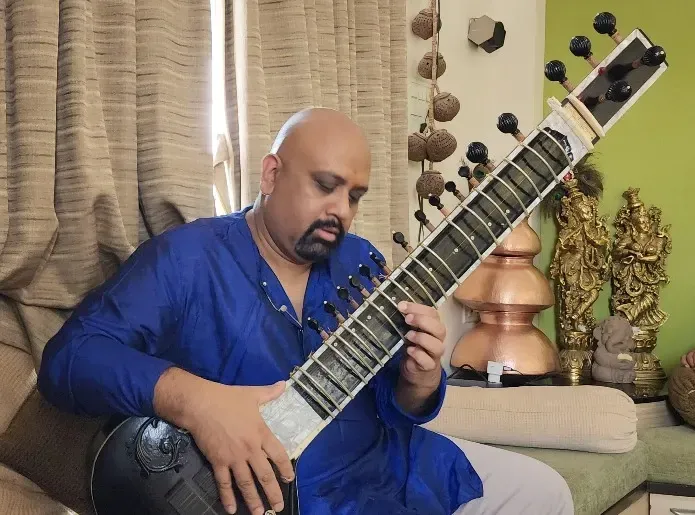
Sitar player trained under the late Shri Sudhir Phadke — a disciple of the legendary Pandit Ravi Shankar. A musical lineage that speaks to the depth of his commitment to the discipline.
Sketch artist whose illustrations of cranial nerves, brain anatomy, and MVD surgery are drawn with the same precision he brings to the operating room — art that is, quite literally, surgical.
Photographer of urban landscapes, architecture, and nature — finding in every frame the same composition, stillness, and attention that surgery demands.
Cyclist, trekker, and adventurous deep-sea diver — disciplines that build the calm and physical endurance that long, complex surgeries require.
These are not hobbies that exist alongside the surgeon. They are what the surgeon is made of.
Core Values

Excellence
The standard does not change based on how difficult the case is.
Precision
In neurosurgery, a fraction of a millimetre is never incidental.

Empathy
Behind every diagnosis is a person trying to make sense of it.

Compassion
Surgery is one chapter. We care about the whole story.
Total Smiles Restored
Patients We Treated
“Be inspired, and continue to inspire.”
A Note from Dr. Jaydev Panchawagh
"In neurosurgery, a millimetre is the difference between a life lived and a life lost. Precision is our duty, but empathy is our real compass."
— Dr. Jaydev Panchawagh
The brain and spine are, to me, the most extraordinary structures in the known universe. I have spent twenty seven years operating on them — and I am still moved by their complexity, their fragility, and their resilience.
When a patient walks into my consultation room, I understand what that moment has cost them. The months of uncertainty. The unanswered questions. The sleepless nights. Whether you are here because of a brain tumour, years of debilitating facial pain, a spine that has stopped cooperating, or a diagnosis that has left you searching for answers — I see the person before I see the condition.
My life has never been confined to the operating room. I play the sitar, sketch the anatomy I operate on, dive in deep water, photograph the world around me. These are not distractions from the work — they are the source of whatever calm, precision, and presence I bring to it. The stillness that a classical raga demands is not different from what a twelve-hour cranial procedure requires. I have always believed that a surgeon who lives fully brings something irreplaceable to the table.
This website is a window into what I do and who I am. I hope it helps you understand not just the surgery, but the surgeon behind it. If you have questions, if you are uncertain, or if you simply need to speak with someone before deciding — I am here.
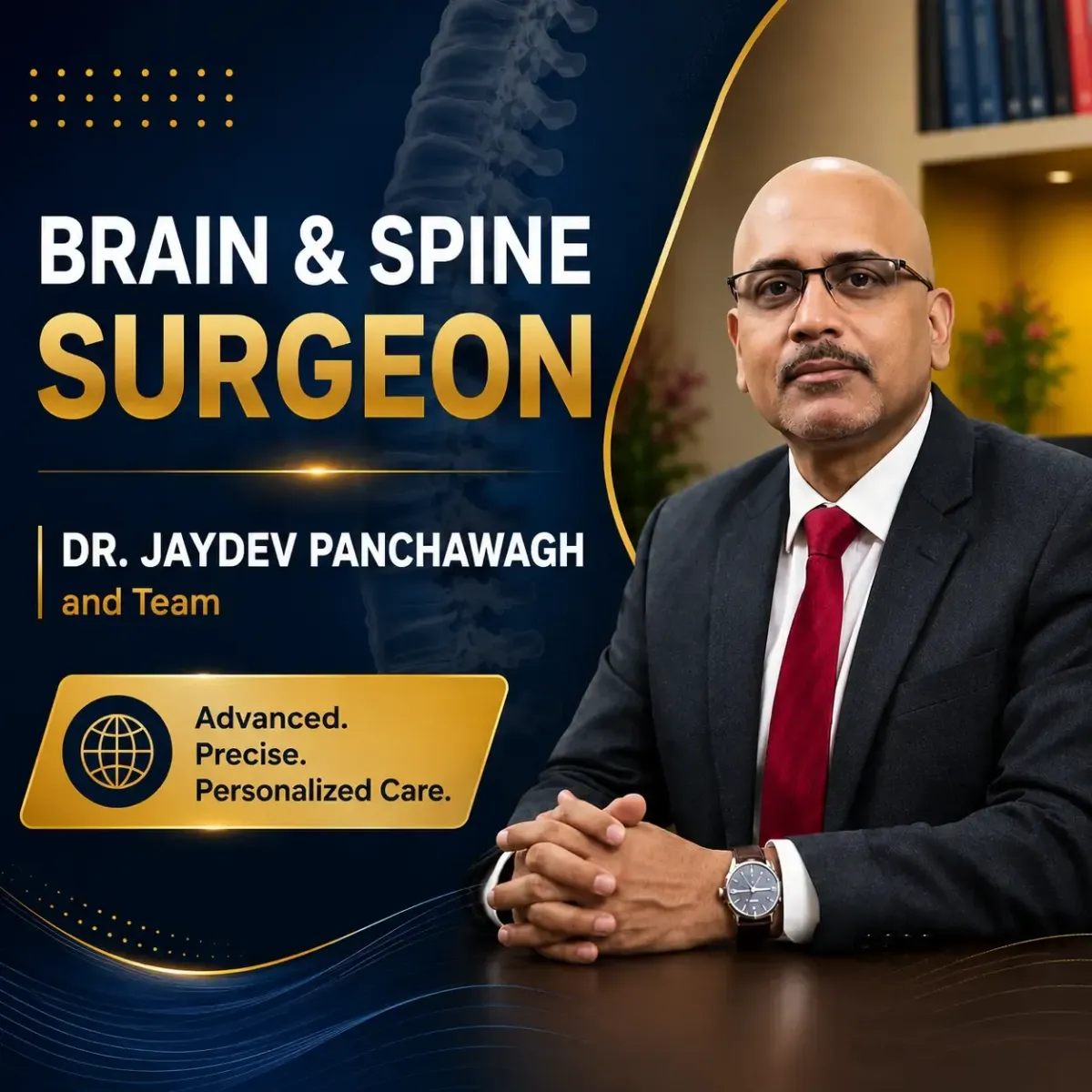
Featured on Wikipedia
Learn more about Dr. Jaydev Panchawagh’s medical journey, achievements, specialties, and contributions in neurosurgery.
Neurosurgical Education & Awareness
Sharing Neurosurgical Knowledge Beyond The Operating Room
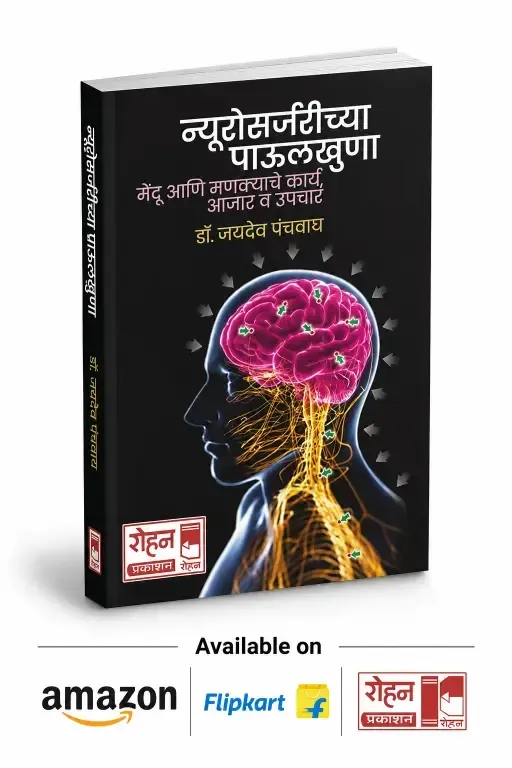
Dr. Jaydev Panchawagh, a neurosurgeon in Pune with 27 years of experience, is also a published author. His Marathi book, Neurosurgeryachya Paulkhuna, distils decades of surgical expertise, real patient experiences, and deep insights into brain and spine care — written to make complex neurosurgical concepts accessible to patients, students, and medical enthusiasts alike.

Amazon
Available on Amazon

Flipkart
Available on Flipkart
Rohan Prakashan
Official Publisher
Our Neurosurgery support Team
Dedicated to Your Care
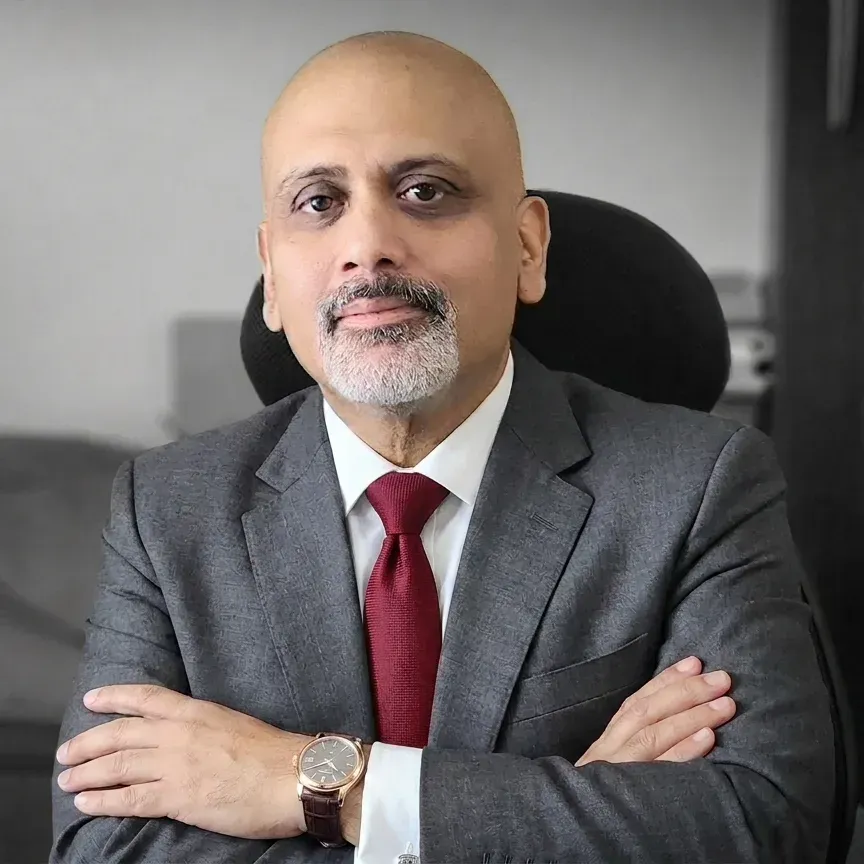
Dr Jaydev Panchawagh
Brain & Spine surgeon
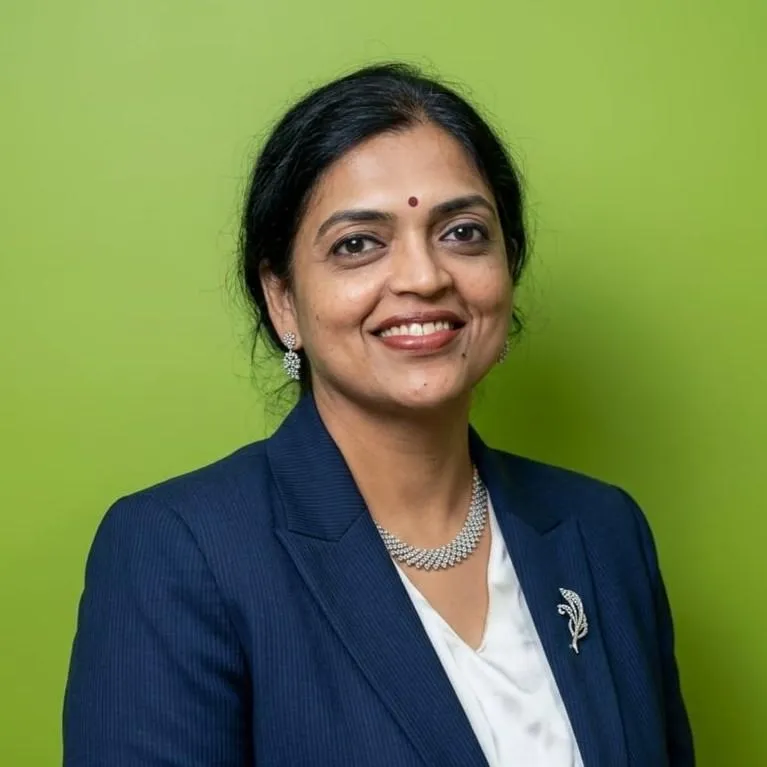
Dr Malathi Panchwagh
Anesthesiologist and Peri-Operative Physician
Savita Khaladkar
Critical Care Nurse
Meenal Deshmane
Logistics Co-ordinator
Dhanashree Kulkarni
Patient Co-ordinator
Our Process
Your Journey to Recovery
A seamless, patient-centered process from consultation to complete recovery
Initial Consultation
Comprehensive evaluation and discussion of your condition with Dr. Panchawagh personally.
Diagnostic Assessment
Advanced imaging and tests to create a precise understanding of the surgical needs.
Surgical Planning
Detailed surgical approach tailored to achieve the best possible outcome for you.
Surgery & Recovery
Surgery followed by attentive post-operative care and rehabilitation.
Neurosurgery built on experience.
Guided by precision.
Centred on the patient


Links
Treatments
Contact
+91 9011333841, +91 7720948948
102, Bhagyatara Society, Erandwane, Pune, India
The information on this website is for educational purposes only and does not constitute medical advice. Consult a qualified neurosurgeon for guidance specific to your condition. Read full disclaimer →
Copyright @2026 | Dr. Jaydev Panchawagh | Praavi Medicare
The Blog
Read Latest Blogs
The TOI PELD Article
Technique called percutaneous endoscopic lumbar discectomy or stitchless spine surgery helps patients with lower back pain, sciatica, slipped disc
Umesh Isalkar | TNN
Pune: Twenty-five year old Suhas had been suffering from severe pain on his right side in his thigh and leg for more than three months. It hindered his busy schedule as an architect. He had undergone open spine surgery eight years ago to fix a disc prolapse (slipped disc) in the L4-5 vertebrae.
A recent MRI of his spine showed a prolapse at L5-S 1 vertebrae and a recurrent disc herniation (disc bulge) and nerve root compression in the L4-5 vertebrae.
When he heard that the nerve compression could be fixed without a major surgery, he was relieved. Using a relatively newer technique called percutaneous endoscopic lumbar discectomy (PELD) or stitchless spine surgery, the nerve roots at both levels were decompressed. “There was no incision and muscle cutting, it was like a small procedure which relieved me of my severe pain, “said Suhas.
Doctors in Pune are conducting difficult spine surgeries without cutting through muscles and bones.Patients suffering from slipped disc,low back pain due to nerve compression,sciatica are being relived of pain using stitchless spine surgery medically known as PELD. A patient is discharged within 24 hours.
Prashant Kumar was lifting some heavy objects when he felt severe pain in his lower back and buttocks followed by severe leg pain and numbness. An MRI scan clearly showed he was suffering from a slipped disc. Doctors told him,the disc can be removed without any skin incision, Kumar said. He was up and about a day after surgery
“This surgery is a modern technique useful for patients with lower back pain, sciatica and a slipped disc. Not all spine surgeries can be done using PELD. Only certain patients will benefit from the technique,” said neurosurgeon Jaydev Panchawagh of Deenanath Mangeshkar Hospital.
Panchawagh has performed sixty surgeries using PELD in the last six months. “Stitchless spine surgery can help in the early phases of pain when the spine discs have not hardened with time and pain has not become chronic, secondarily affecting the surrounding muscles,” he said.
The technique has matured in the last two to three years and there are many papers establishing its efficacy and advantages. It incorporates principles of miniature endoscopy, radiofrequency waves and laser technique. “It is relatively new in India. There are very few hospitals offering such techniques,” Panchwagh said.
Consultant orthopaedic spine surgeon Sreedharan Namboothiri from Kovai Medical Center and Hospital in Coimbatore said there are seven orthopaedic and neurosurgeons in India who conduct PELD. “It is a relatively new technique, but effective in treating certain spinal problems.” Namboothiri also conducts PELD.
Panchwagh said the surgery can be best performed under simple local anaesthesia. “We leave it to patients to choose the type of anaesthesia one is most comfortable with. There is no need of general anaesthesia in this surgery,” he said.
Patients suffer the pain and see doctors only when the condition is in advanced stages. “When there is intervertebral disc prolapse (slipped disc), a certain percentage of the slipped discs shrivel-up in a few weeks and do not need surgery. However, it is equally clear that a significant number of these discs become hard due to calcification, progressively lodging them in a narrow crevice of the spine, severely compressing the nerves. This causes chronic backache, sciatica and neurogenic claudication, not to mention irreversible nerve damage,” said Panchawagh
The first line of treatment should be non-surgical, but if the symptoms do not regress fast, one should take out the compressive elements,” Panchawagh said.
Low back, thigh and leg pain due to foraminal stenosis (or disc prolapse) can be treated most effectively only with this technique. “This is because the standard posterior open or endoscopic approach is unable to decompress this area easily and effectively as it is covered by a facet joint. So, the patients who used to be either told that ‘nothing much can be done for this condition,’ can now be most definitely and efficiently treated by using PELD,” Panchawagh said.
(Patients names have been changed)
IT IS OFTEN USED TO TREAT
* Herniated discs
* Bulging disks
* Degenerative disc disease
* Pinched nerve or nerve root compression
* Sciatica
* Foraminal compression
After a PELD procedure, the patient is usually discharged within 24 hours, does not require prolonged periods of bed rest, and can get back to work sooner
STITCHLESS SPINE SURGERY
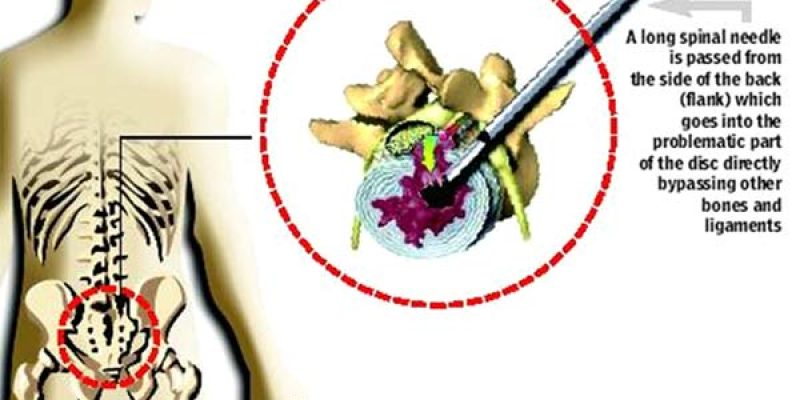
* Percutaneous endoscopic lumbar discectomy is the ultimate form of minimal invasive spine surgery. An instrument called endoscope is used
* Surgery is done under local anaesthesia and patient is fully awake during the procedure. In fact, for successful surgery patients active participation is necessary
* Patient is made to lie prone on operation table and exact entry point is mapped on the body using image intensifier X-ray system
* Through this a needle guidewire is passed then a dilator is passed over the guidewire. The working cannula is passed over the diltaor continuously monitoring the image intensifier X-ray system
* The dilator is then taken out and the spinal endoscope is passed through the working cannula
* Under direct visualisation with the help of the spinal endoscope the disc fragments which are compressing the nerve are removed with miniature manual instruments, radiofrequency waves and laser
* After confirming that the painful nerve is decompressed (relived of compression) the endoscope and the working cannula are taken out
* The small hole in the skin is closed with the help of dressing tape and the procedure is completed
* The patient is allowed to walk immediately after the surgery and is discharged within 24 hours
