Have you ever wondered why a slight touch on your face can feel like an electric shock, or why tooth pain sometimes travels up to your eyes or ears? The answer lies in the most prominent and complex nerve of our face: the Trigeminal Nerve. This nerve controls sensation across a large part of the face, and when it is affected by a medical condition, the pain can become so intense that it makes a normal life unbearable.
What is Trigeminal Neuralgia (TN)?
Trigeminal Neuralgia is a condition where the main facial nerve, the Trigeminal Nerve, is in distress. People often mistake this pain for a dental problem, sinus infection, or migraine, as awareness of this disease is generally low, even among many doctors and dentists globally.
Nature of Pain: The pain is sudden, intense, and shock-like, similar to an electric jolt.
Duration and Frequency: It can last from a few seconds to two minutes and occur many times a day.
Location: It typically affects only one side of the face—the forehead, cheek, or jaw, or a combination of these areas.
Triggers: The pain is often triggered by common activities like brushing teeth, eating, talking, or even a breeze.
Involuntary Movements Associated with Pain (Tic Douloureux)
During an acute painful attack, TN patients often exhibit involuntary movements. These are natural, spontaneous reactions by the body aimed at relieving or stopping the severe, intolerable pain:
Sudden Facial Contortion/Twitching: As the pain starts, the patient involuntarily clenches their face or pulls their mouth to one side.
Clenching the Eye Shut: Since the pain often affects the branch near the eye, many patients forcefully close their eye during an attack.
Jerking the Head or Neck: In an attempt to divert the pain, some people jerk their head or tilt their neck to one side.
Holding/Rubbing the Face: Patients often place their hand over the painful area or rub it vigorously, trying to suppress or find relief by pressure.
These involuntary facial movements give the disease its name, “Tic Douloureux.” The fear of pain can completely transform a person’s life, leading them to avoid speaking, laughing, and even eating, which drastically lowers their quality of life.
Relief is Possible with the Right Treatment
The truth is that relief is achievable with the right treatment at the right time. If you or someone you know is experiencing this severe, shock-like pain in the face, do not ignore it. Seek consultation with an experienced neurosurgeon who understands the various aspects of Trigeminal Neuralgia. A correct diagnosis and appropriate treatment can restore your normal life.
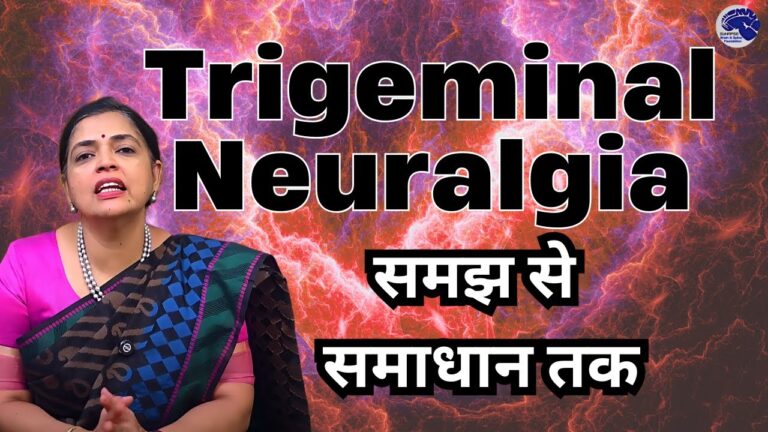
Final Wording by Dr. Malathi Panchwagh
“If you are experiencing this type of pain—sudden and intense, like small jolts on one side of the face, and it’s being triggered by brushing, eating, talking, or a breeze—it could be Trigeminal Neuralgia. Do not ignore it. Seek advice from an experienced neurosurgeon who understands the different facets of this disease, because with the right diagnosis and treatment, your normal life can be restored.”






Leave a Reply